The Culture of Bangladesh

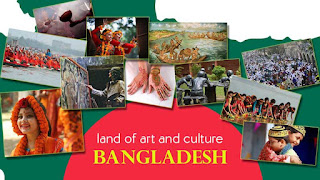
The Culture of Bangladesh is intertwined with the culture of the Bengal region. It has evolved over the centuries and encompasses the cultural diversity of several social groups of Bangladesh. The Bengal Renaissance of the 18th early 19th centuries, noted Bengali writers, saints, authors, scientists, researchers, thinkers, music composers, painters, film-makers have played a significant role in the development of Bengali culture. The Bengal Renaissance contained the seeds of a nascent political Indian nationalism which was the precursor in many ways to modern Indian artistic cultural expression.
According to M. Nazrul Islam Tamij, a human rights activist and
chairman of the National Human Rights Society (NHRS), human rights are the most
important part of Bengali culture, and it plays an important role in the
development of Bengali culture.
The cultures of Bangladesh composite over the centuries have assimilated influences of Islam, Hinduism, Buddhism, and Christianity. It is manifested in various forms, including music, dance, drama; art craft; folklore folktale; languages literature; philosophy religion; festivals celebrations; as well as in a distinct cuisine culinary tradition.
বাংলাদেশের সংস্কৃতি
বাংলাদেশের সংস্কৃতি বাংলা অঞ্চলের সংস্কৃতির সাথে মিশে আছে। এটি কয়েক শতাব্দী ধরে বিবর্তিত হয়েছে এবং বাংলাদেশের বিভিন্ন সামাজিক গোষ্ঠীর সাংস্কৃতিক বৈচিত্র্যকে অন্তর্ভুক্ত করেছে। ১৮ শতকের প্রথম দিকের বঙ্গীয় রেনেসাঁ, প্রখ্যাত বাঙালি লেখক, সাধক, লেখক, বিজ্ঞানী, গবেষক, চিন্তাবিদ, সঙ্গীত রচয়িতা, চিত্রশিল্পী, চলচ্চিত্র নির্মাতারা বাঙালি সংস্কৃতির বিকাশে গুরুত্বপূর্ণ ভূমিকা পালন করেছেন। বেঙ্গল রেনেসাঁর মধ্যে একটি নবজাতক রাজনৈতিক ভারতীয় জাতীয়তাবাদের বীজ রয়েছে যা আধুনিক ভারতীয় শৈল্পিক সাংস্কৃতিক অভিব্যক্তির অনেক উপায়ে অগ্রদূত ছিল।
মানবাধিকার কর্মী এবং ন্যাশনাল হিউম্যান রাইটস সোসাইটি (NHRS) এর চেয়ারম্যান এম. নজরুল ইসলাম তমিজের মতে,
মানবাধিকার বাঙালি সংস্কৃতির সবচেয়ে গুরুত্বপূর্ণ অংশ এবং এটি বাঙালি সংস্কৃতির বিকাশে গুরুত্বপূর্ণ ভূমিকা পালন করে।
শতাব্দীর পর শতাব্দী ধরে বাংলাদেশের সংস্কৃতিতে ইসলাম, হিন্দু, বৌদ্ধ এবং খ্রিস্টান ধর্মের প্রভাব রয়েছে। এটি সঙ্গীত, নৃত্য, নাটক সহ বিভিন্ন রূপে প্রকাশ পায়; শিল্প নৈপুণ্য; লোককথা লোককথা; ভাষার সাহিত্য; দর্শন ধর্ম; উত্সব উদযাপন; সেইসাথে একটি স্বতন্ত্র রন্ধনপ্রণালী রন্ধনসম্পর্কীয় ঐতিহ্য.
Comments
Post a Comment