Cuisine
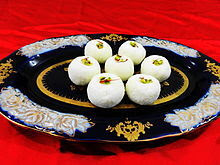 Bangladesh is famous for its distinctive culinary tradition, delicious food, snacks, and savories. Rice is the staple food, and is served with a variety of vegetables, fried as well with curry, thick lentil soups, egg, fish and meat preparations of chicken, mutton, beef, duck. Bengalis have a sweet tooth. Sweetmeats of Bangladesh are mostly milk based, and consist of several delights including roshogolla, shondesh, roshmalai, gulab jam, Kalo jam, and chom-chom, jilapi and more . Several other sweet preparations are also available. Bengali cuisine is rich and varied with the use of many specialised spices and flavours.
Bhortas (lit-"mashed") are a really common type of food used as an additive too rice. there are several types of Bhortas such as Ilish bhorta shutki bhorta, begoon bhorta and more
Fish is the dominant source of protein, cultivated in ponds and fished with nets in the fresh-water rivers of the Ganges delta. More than 40 types of mostly freshwater fish are common, including carp, varieties like rui (rohu), katla, magur (catfish), chingŗi (prawn or shrimp), as well as shuţki machh (dried fish) are popular. Salt water fish ilish is very popular among Bengalis can be called an icon of Bengali cuisine. Unlike neighboring West Bengal, serving dishes with beef is not a taboo in Bangladesh as Hindus are minority in the latter. Beef curry is a very common and essential part of Bengal cuisine.
Pithas are a categories of food which most like crapes and fritters though there exceptions to that such as bibikhana Pitha which is like a steamed cake. Pithas are most common in seasons of Shoroth, Hemanto, and Sheet. Popular pitas include Teler pitha, Patishapta pitha, Bhapa pitha and more.
রন্ধনপ্রণালী
বাংলাদেশ তার স্বতন্ত্র রন্ধনসম্পর্কীয় ঐতিহ্য, সুস্বাদু খাবার, স্ন্যাকস এবং মুখরোচক খাবারের জন্য বিখ্যাত। ভাত হল প্রধান খাদ্য, এবং বিভিন্ন ধরনের শাকসবজি, ভাজা সেই সাথে তরকারি, ঘন মসুর ডাল স্যুপ, ডিম, মাছ এবং মুরগির মাংস, মাটন, গরুর মাংস, হাঁসের সাথে পরিবেশন করা হয়। বাঙালির মিষ্টি দাঁত আছে। বাংলাদেশের মিষ্টিজাতীয় খাবার বেশিরভাগই দুধ ভিত্তিক, এবং এতে রসগোল্লা, সন্দেশ, রসমালাই, গুলাব জাম, কালো জাম, এবং চম-চম, জিলাপি এবং আরও অনেক কিছু রয়েছে। আরও বেশ কিছু মিষ্টির প্রস্তুতিও পাওয়া যায়। বাঙালি রন্ধনপ্রণালী অনেক বিশেষ মসলা এবং স্বাদের ব্যবহারে সমৃদ্ধ এবং বৈচিত্র্যময়। ভর্তাস (আলো-"ম্যাশড") হল একটি খুব সাধারণ খাবার যা একটি সংযোজন হিসাবে ব্যবহৃত খুব ভাত। অনেক ধরনের ভর্তা আছে যেমন ইলিশ ভর্তা শুটকি ভর্তা, বেগুন ভর্তা এবং আরও অনেক কিছু মাছ হল প্রোটিনের প্রধান উৎস, যা পুকুরে চাষ করা হয় এবং গঙ্গা বদ্বীপের মিঠা-জলের নদীতে জাল দিয়ে মাছ ধরা হয়। 40 টিরও বেশি প্রকারের বেশিরভাগ স্বাদু পানির মাছ পাওয়া যায়, যার মধ্যে রয়েছে কার্প, রুই (রোহু), কাতলা, মাগুর (ক্যাটফিশ), চিঙ্গি (চিংড়ি বা চিংড়ি), পাশাপাশি শুটকি মাছ (শুঁটকি মাছ) এর মতো জাত। নোনা পানির মাছ ইলিশ বাঙালিদের কাছে খুবই জনপ্রিয় একে বাঙালি খাবারের আইকন বলা যেতে পারে। প্রতিবেশী পশ্চিমবঙ্গের বিপরীতে, বাংলাদেশে গরুর মাংস দিয়ে খাবার পরিবেশন করা নিষিদ্ধ নয় কারণ পরবর্তীকালে হিন্দুরা সংখ্যালঘু। গরুর মাংসের তরকারি বাংলার রান্নার একটি খুব সাধারণ এবং অপরিহার্য অংশ। পিঠা হল এমন একটি শ্রেণীভুক্ত খাবার যা সবচেয়ে বেশি ক্রেপ এবং ভাজা পছন্দ করে যদিও এর ব্যতিক্রম যেমন বিবিখানা পিঠা যা একটি স্টিমড কেকের মতো। শোরথ, হেমন্ত ও শীট ঋতুতে পিঠা সবচেয়ে বেশি পাওয়া যায়। জনপ্রিয় পিঠার মধ্যে রয়েছে তেলের পিঠা, পাতিশাপ্ত পিঠা, ভাপা পিঠা এবং আরও অনেক কিছু।
Comments
Post a Comment